What sealer does
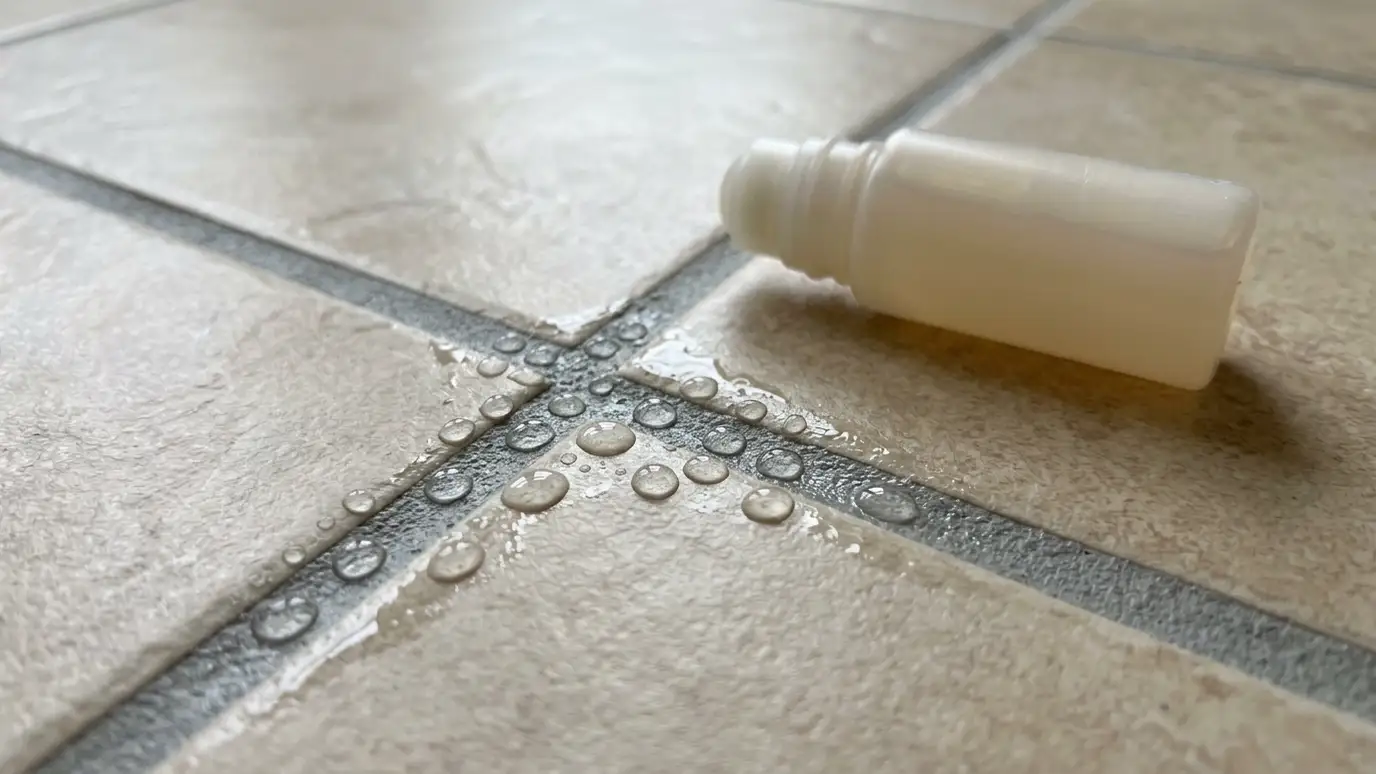
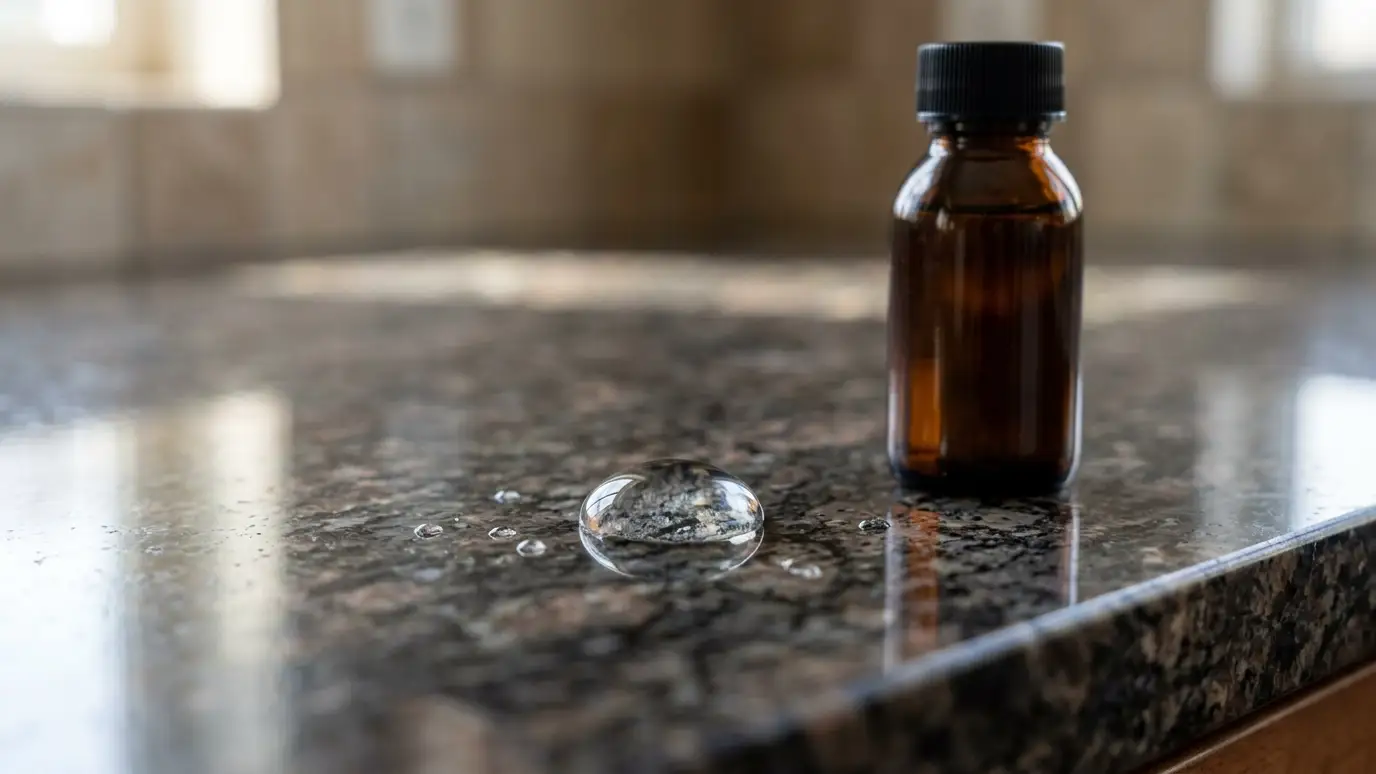
Sealer fills the pores in cement grout so liquids bead instead of soaking in. It does not make grout stain-proof, but it buys time to wipe up spills and keeps moisture out.
Without it, grout absorbs everything.
Which grout needs it
Sanded and unsanded cement grouts need sealing. Epoxy and urethane grouts generally do not. Glazed tile does not either, though unglazed tile and many stones do.
Check the grout maker instructions.
The water drop test
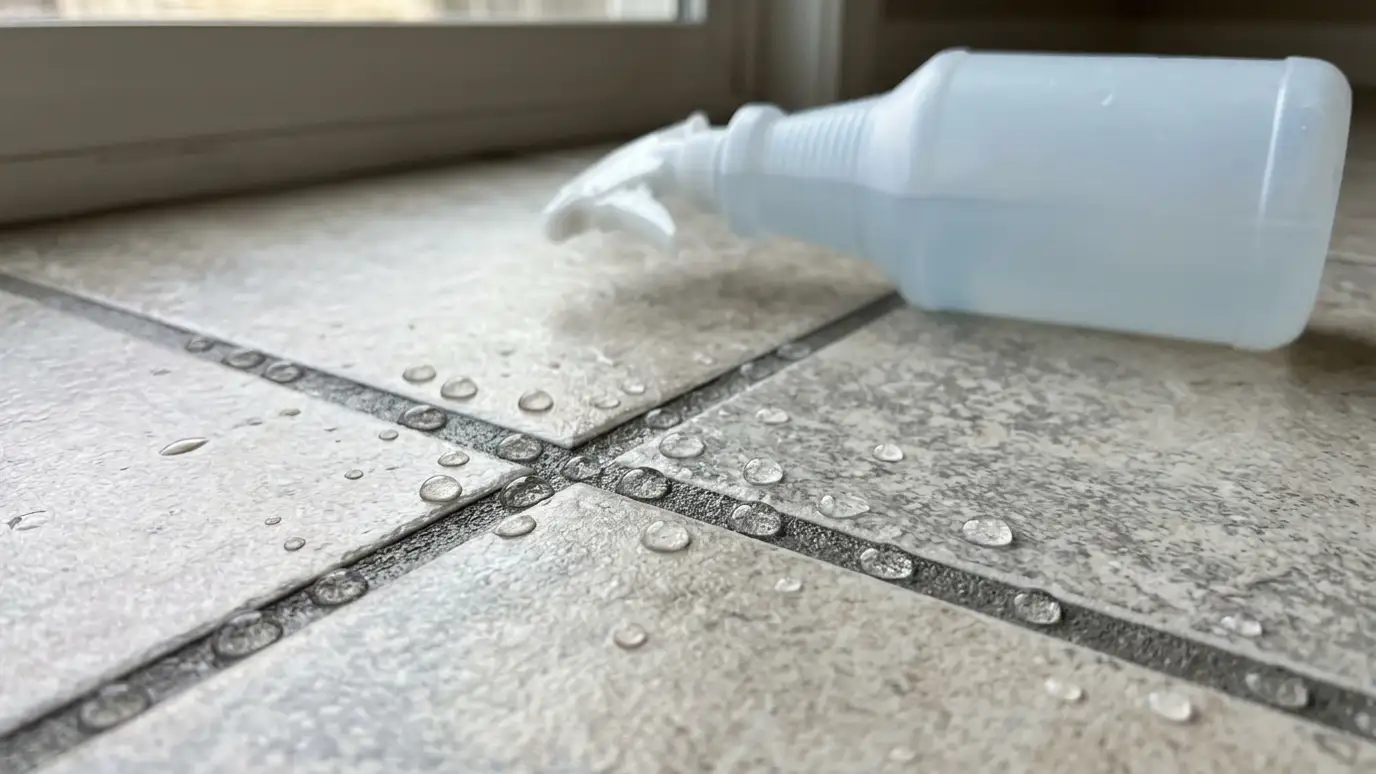
Put a few drops of water on the grout. If they bead up, the seal is working. If they darken the grout within a few minutes, it is time to reseal.
Test in the shower and on the floor separately.
Preparing the surface
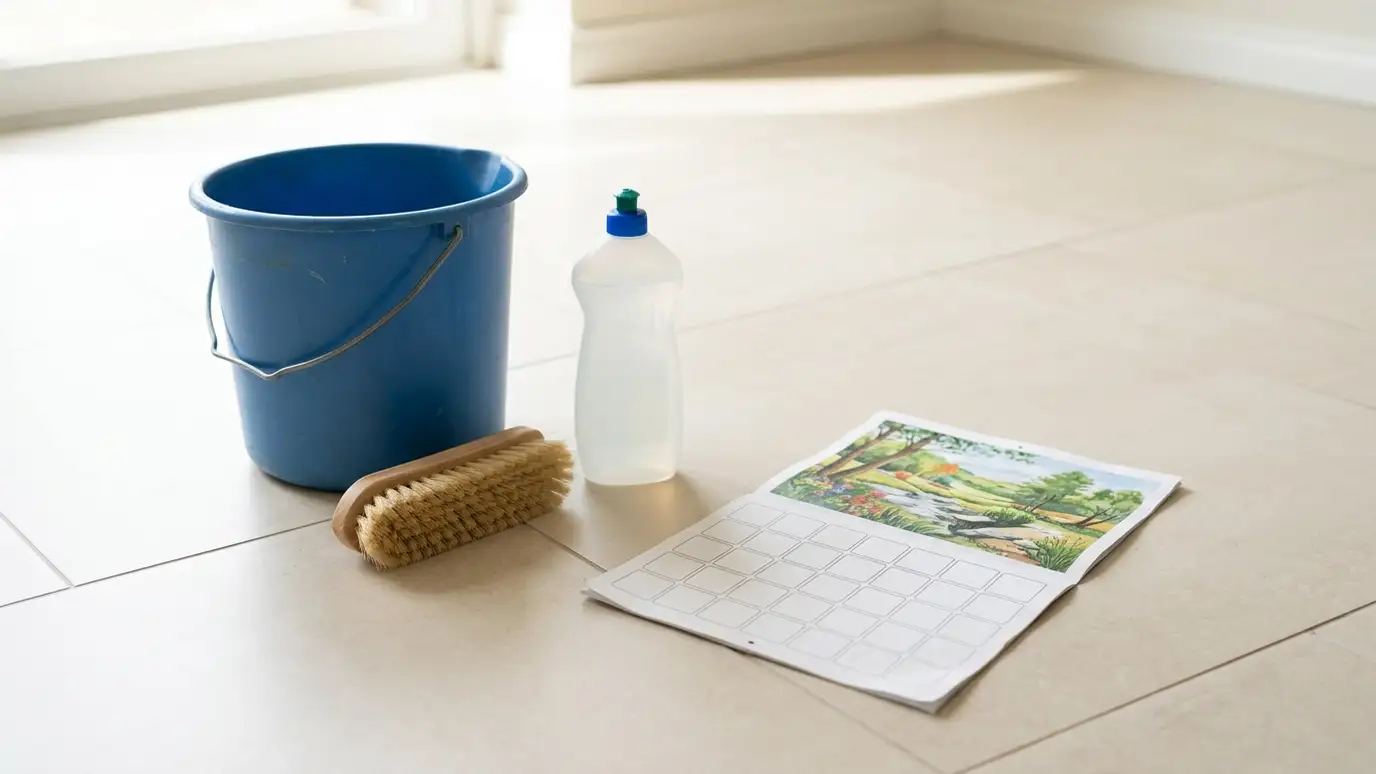
Sealer must go on clean, dry grout. Clean thoroughly, let it dry for at least a day and make sure no sealer or residue sits on the tile.
Sealing over dirt locks the dirt in.
Applying it
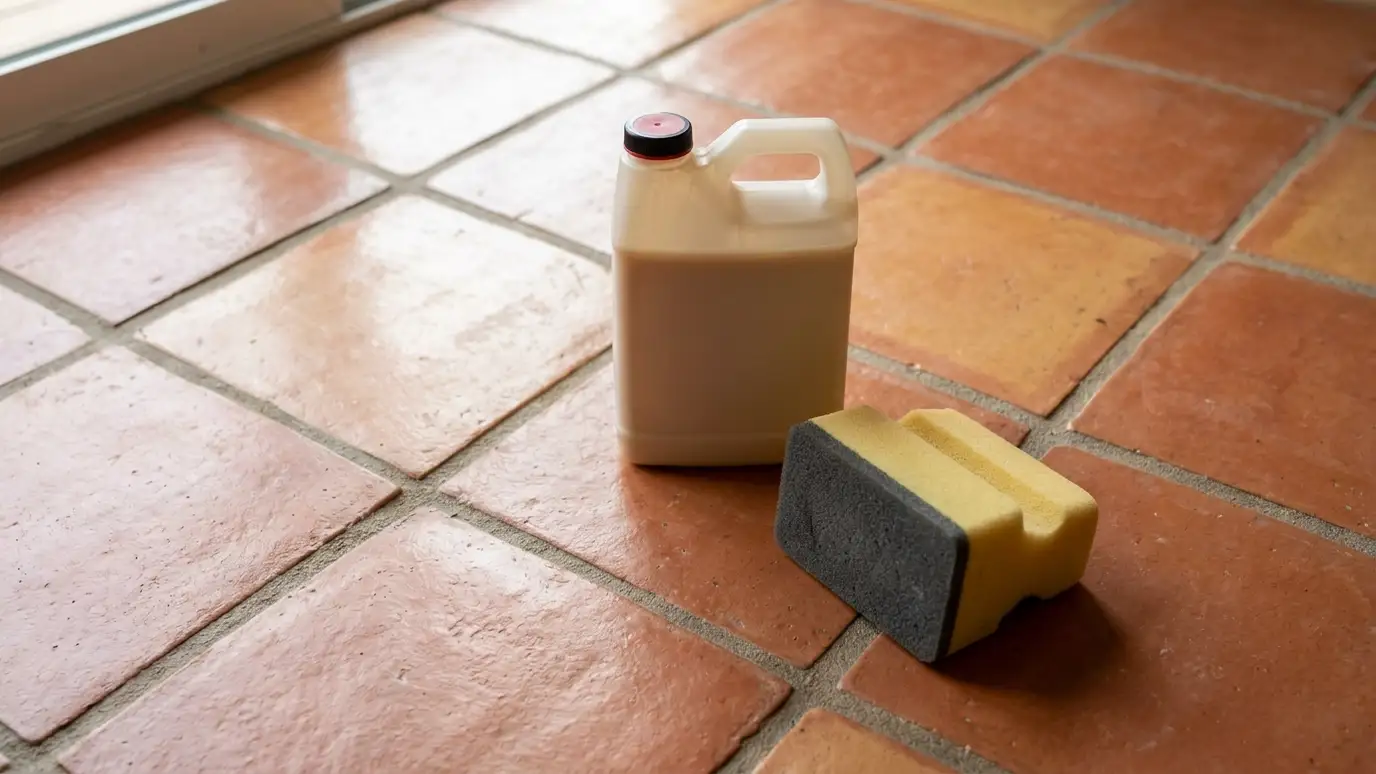
Apply with a small brush or applicator bottle along the lines, wait a few minutes and wipe the excess from the tile before it dries. A second coat is often recommended.
Follow cure times before using the shower.
How often to reseal
Showers and busy floors often need it every one to two years. Low-use areas can go longer. Stone may have different needs.
A maintenance plan can handle this for you.
Clean, dry and test first, and reseal when water stops beading.