Why mildew loves your shower
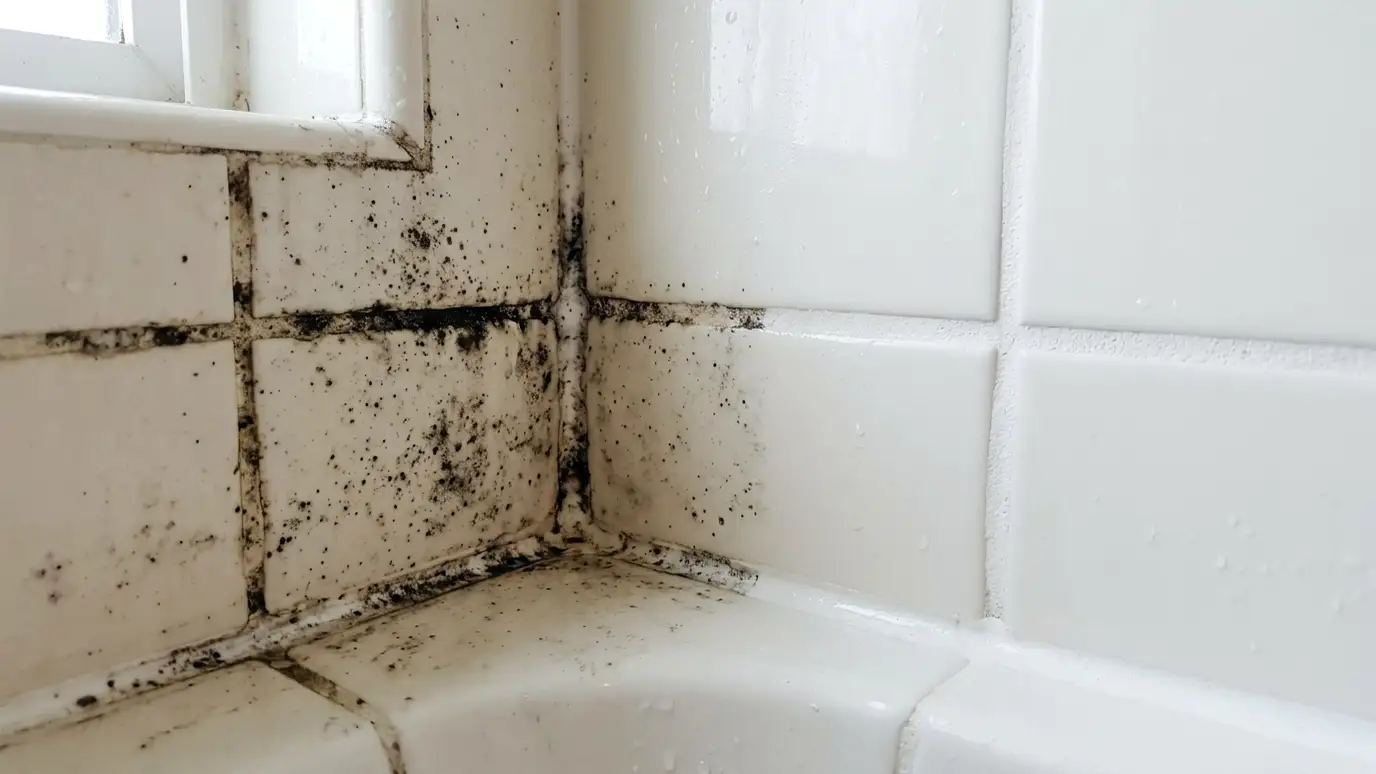
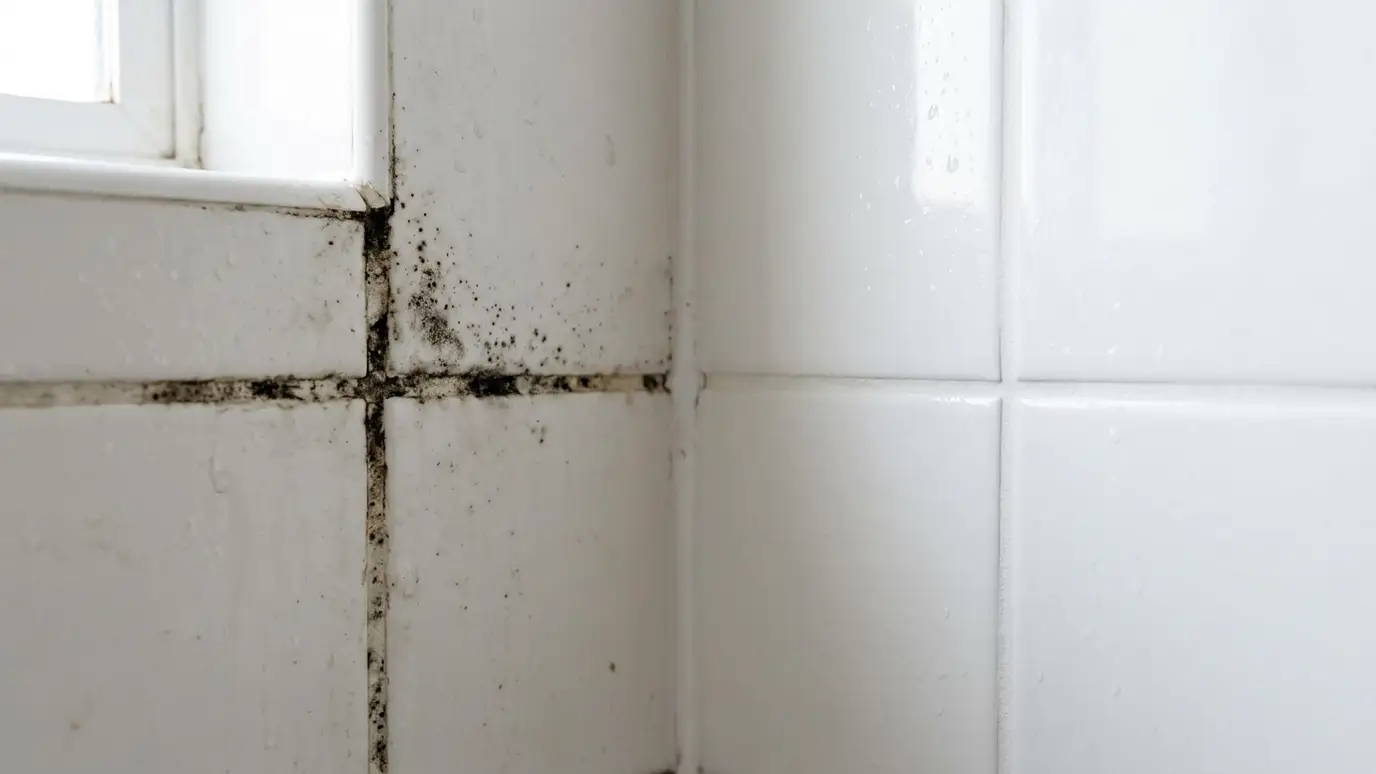
Warm water, steam, soap and body oils feed mildew, and porous grout gives it a place to hold on. Nashville humidity makes it worse, because showers stay damp longer.
Black spots are the part you can see. The roots grow into the pores.
Clean it the right way
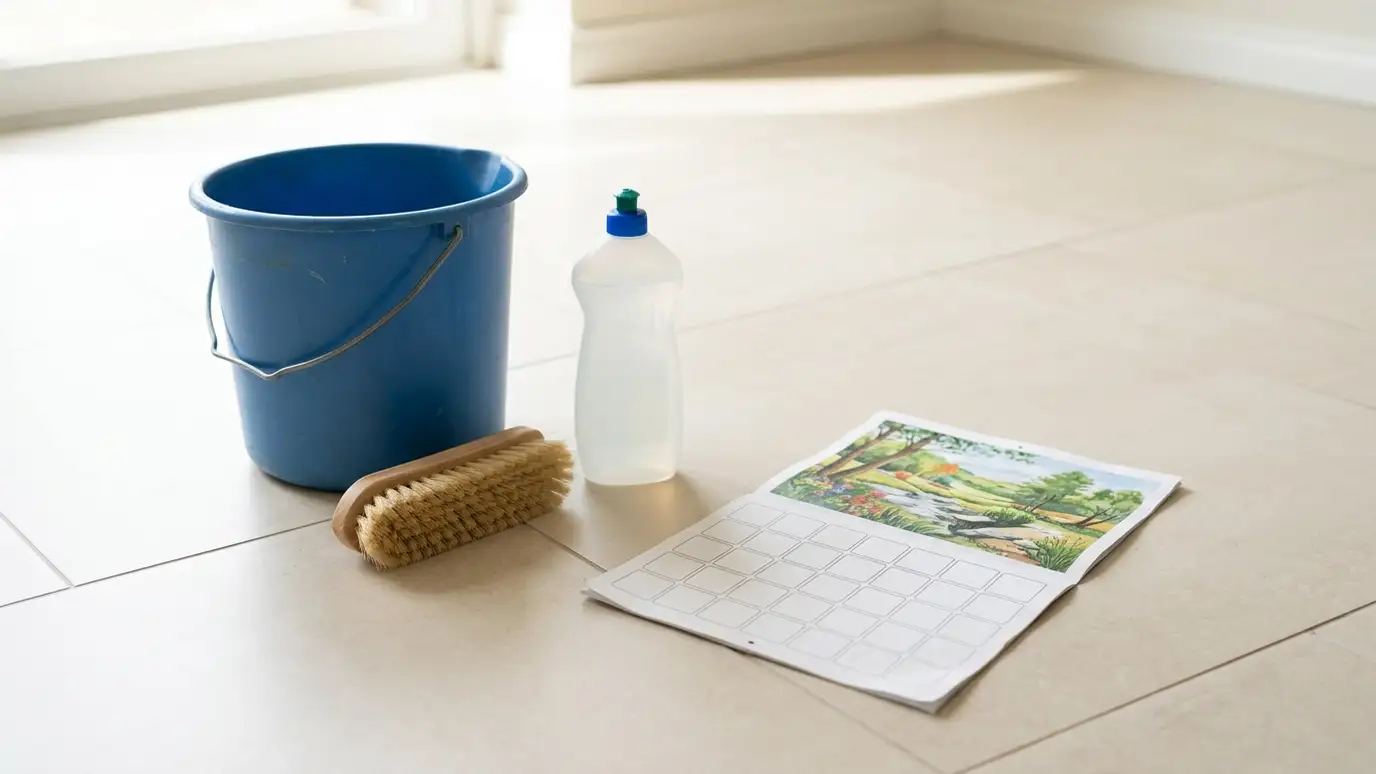
Use a cleaner made for mildew and give it time to work. Scrub the lines with a soft brush and rinse well. Never mix bleach with ammonia or acids.
Surface bleaching may whiten, but it often leaves growth below.
Replace failed caulk
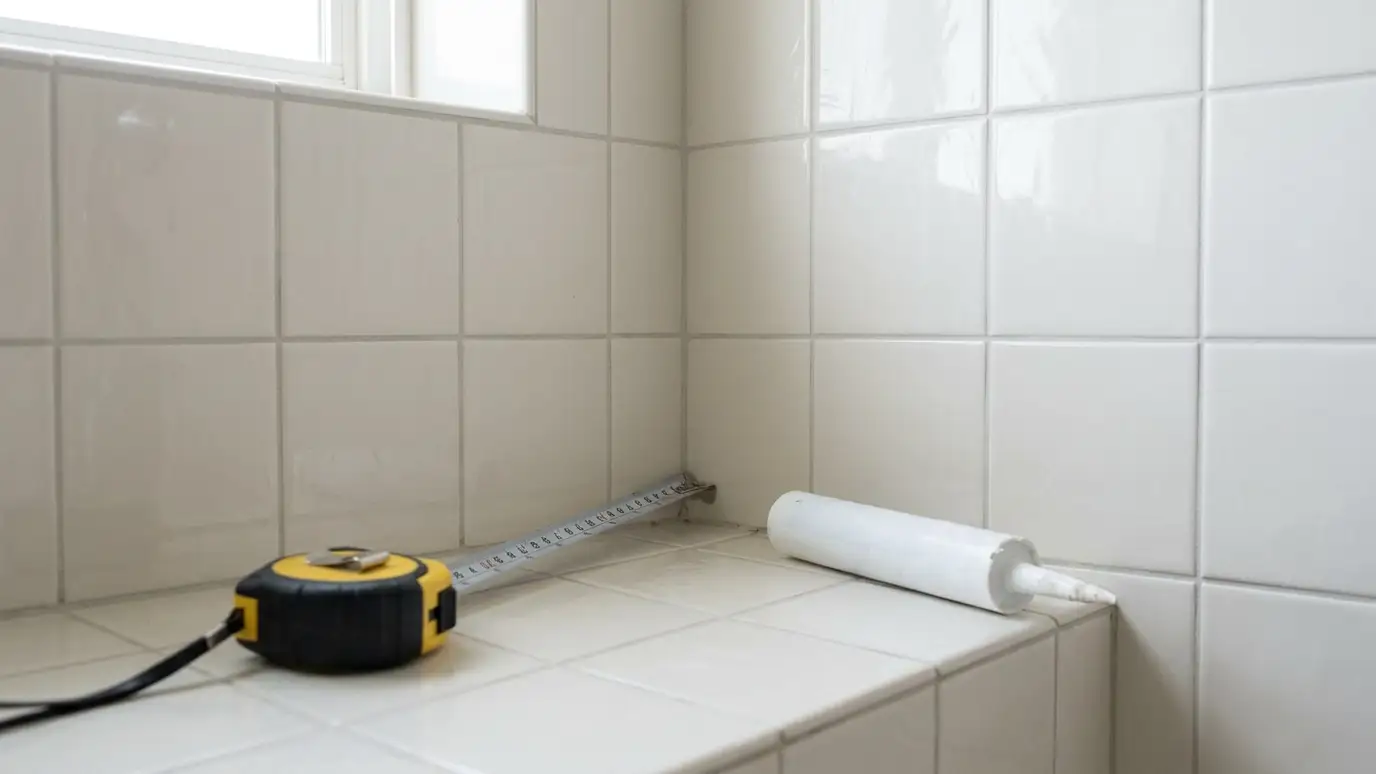
Caulk traps moisture and mildew more than grout does. Black or peeling caulk should be cut out and replaced with fresh silicone.
Cleaning old caulk rarely lasts.
Seal or upgrade the grout
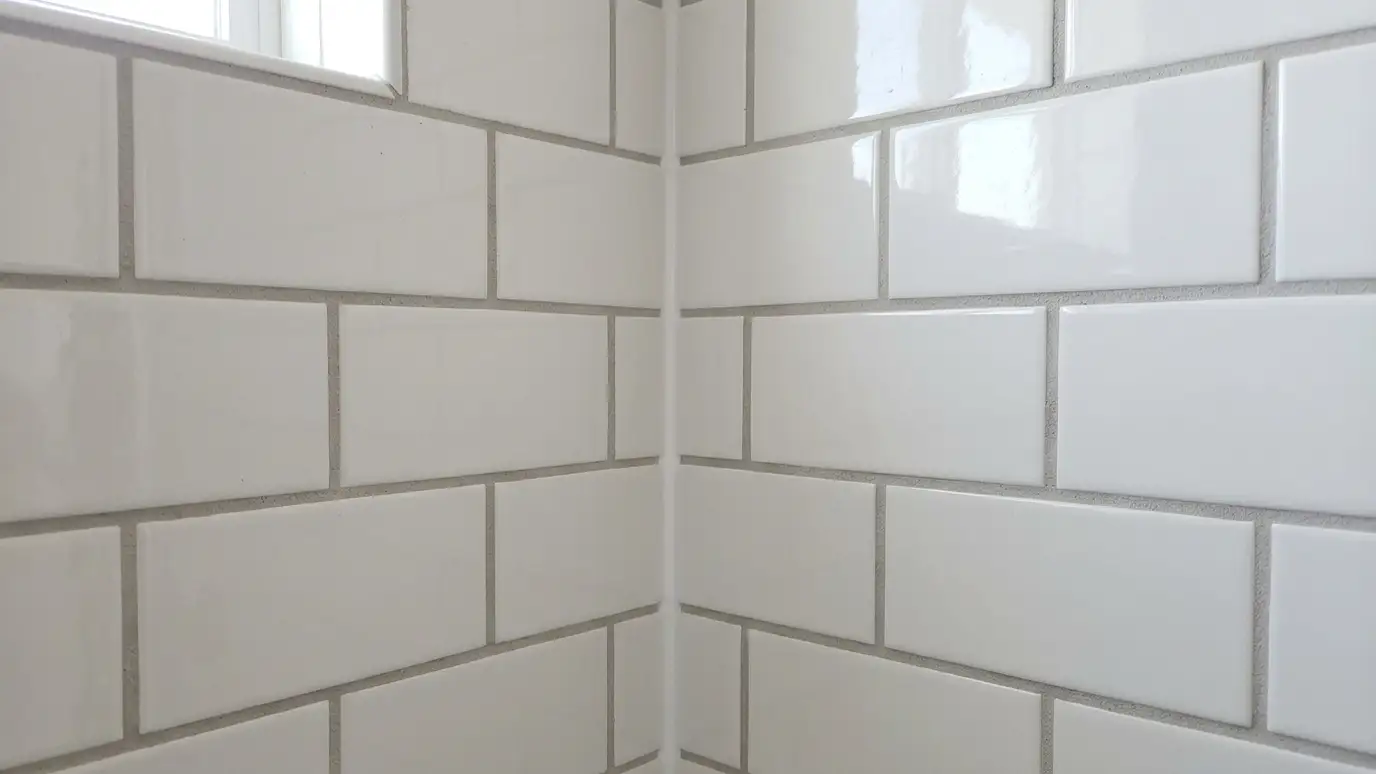
Sealing cement grout makes it hold less water. Epoxy or urethane grout is far less hospitable to mildew because it is non-porous.
In stubborn showers, regrouting with epoxy can end the cycle.
Dry and ventilate
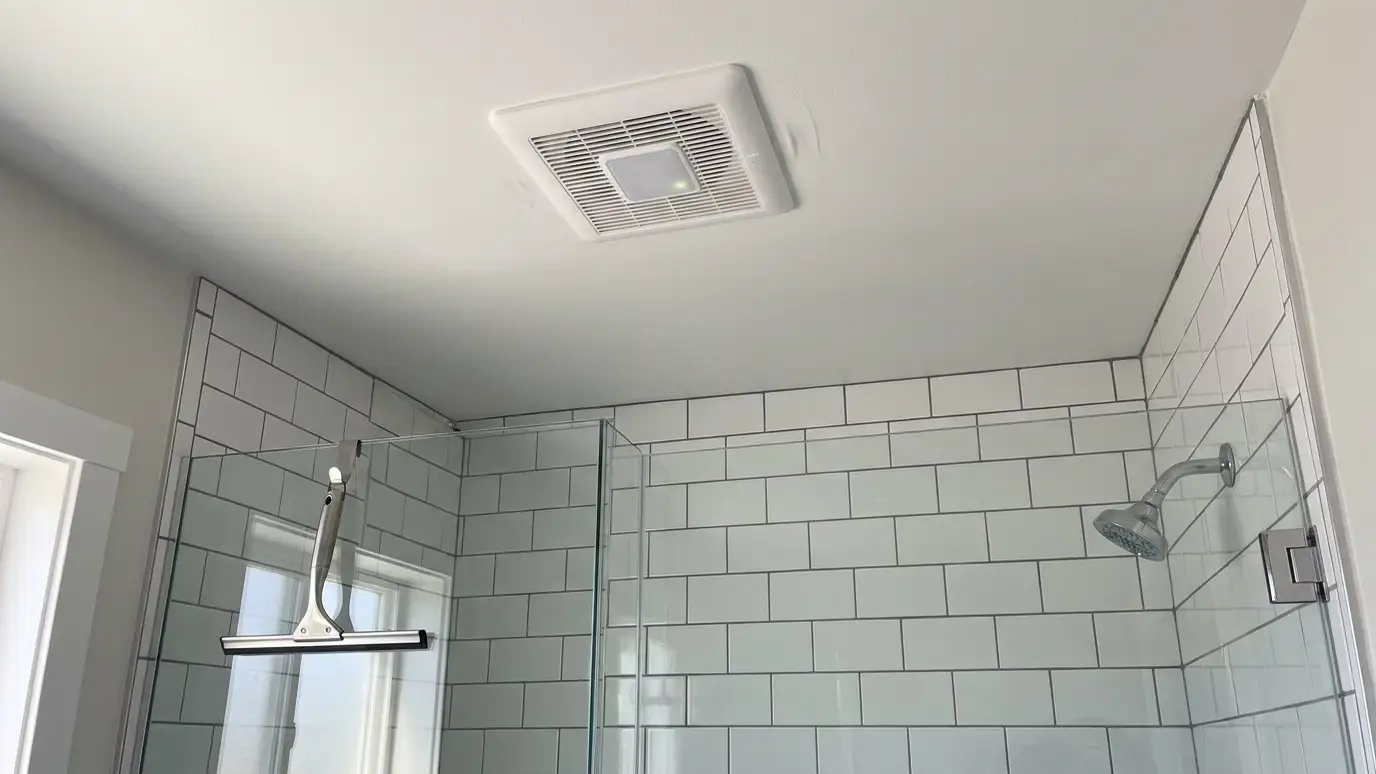
Run the fan during and for twenty to thirty minutes after showers. Squeegee walls and glass, and leave the door or curtain open to dry.
These habits do more than any product.
When it is more than grout
If growth returns fast, spreads to walls or comes with a musty smell or soft spots, there may be a leak or poor ventilation. A specialist should check it.
We will tell you what we see.
Clean, replace the caulk, seal or upgrade the grout and dry the shower every day.