It depends on more than the product
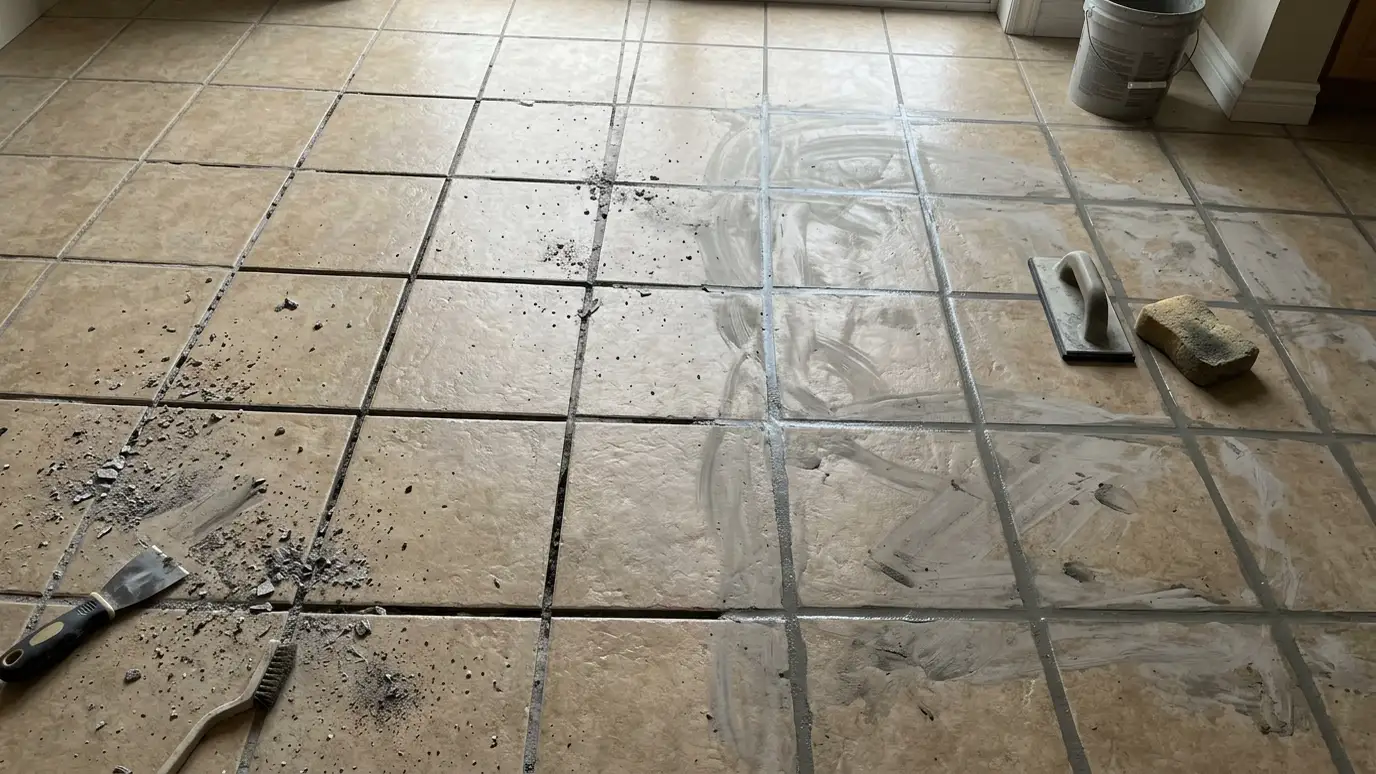
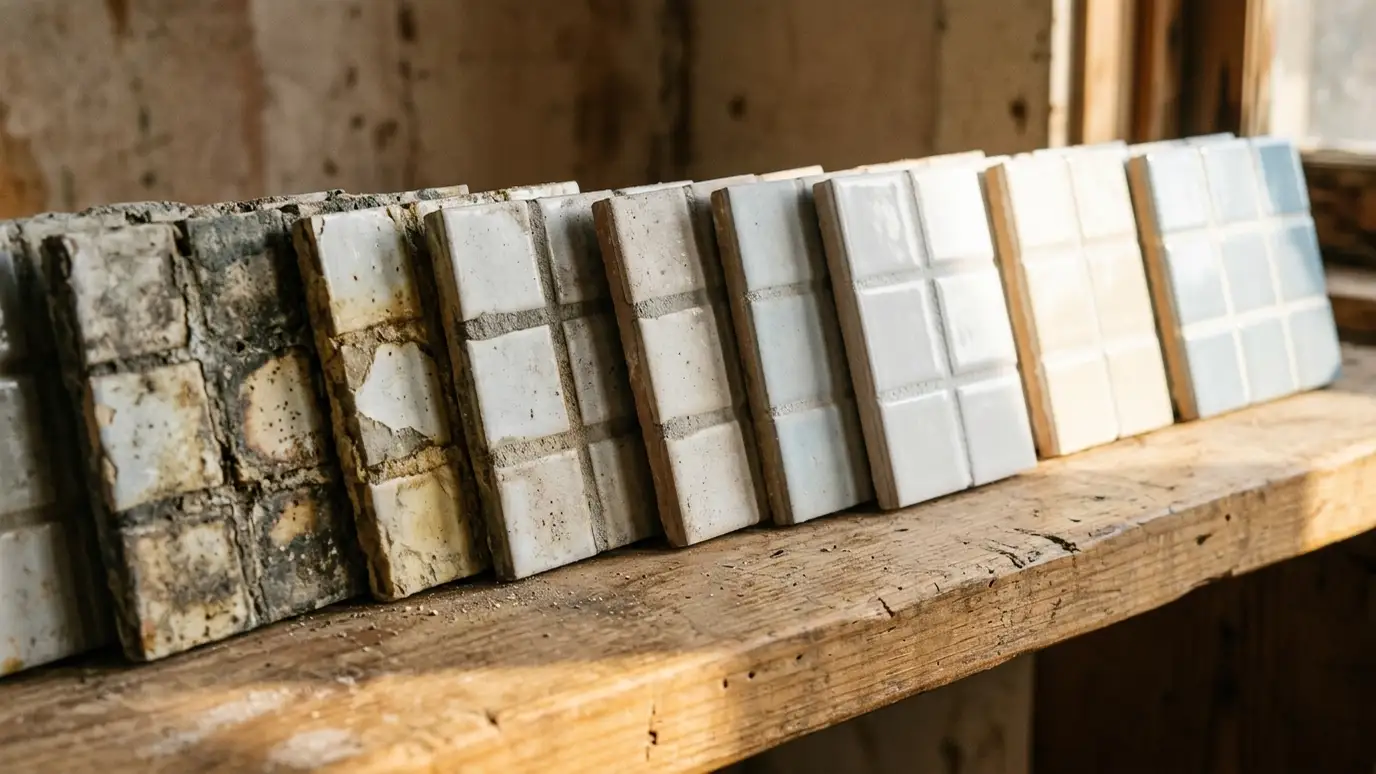
Installation quality, moisture, traffic, house movement and cleaning habits all affect grout life. A well-installed, well-kept cement grout can outlast a poorly installed premium one.
Numbers are ranges, not promises.
Cement grout
Sanded and unsanded cement grouts commonly last many years, often a decade or more on floors and walls. Showers are harder, and grout there often needs attention sooner.
Sealing and gentle cleaning extend life. Harsh acids and scrubbing shorten it.
Epoxy grout
Epoxy grout is non-porous and strong, and it often lasts much longer than cement in wet and greasy places. It resists stains and chemicals.
It is not indestructible. Poor installation or movement can still crack it.
Urethane grout
Urethane grout is flexible and stain resistant and holds up well in many settings. Long-term track records are shorter than cement, but results are promising.
Correct installation matters.
Caulk
Caulk has a shorter life than grout. Silicone in a shower often needs replacing every few years, and sooner if it grows mildew or peels.
Do not wait until it fails. Replacing it early protects the wall.
How to extend grout life
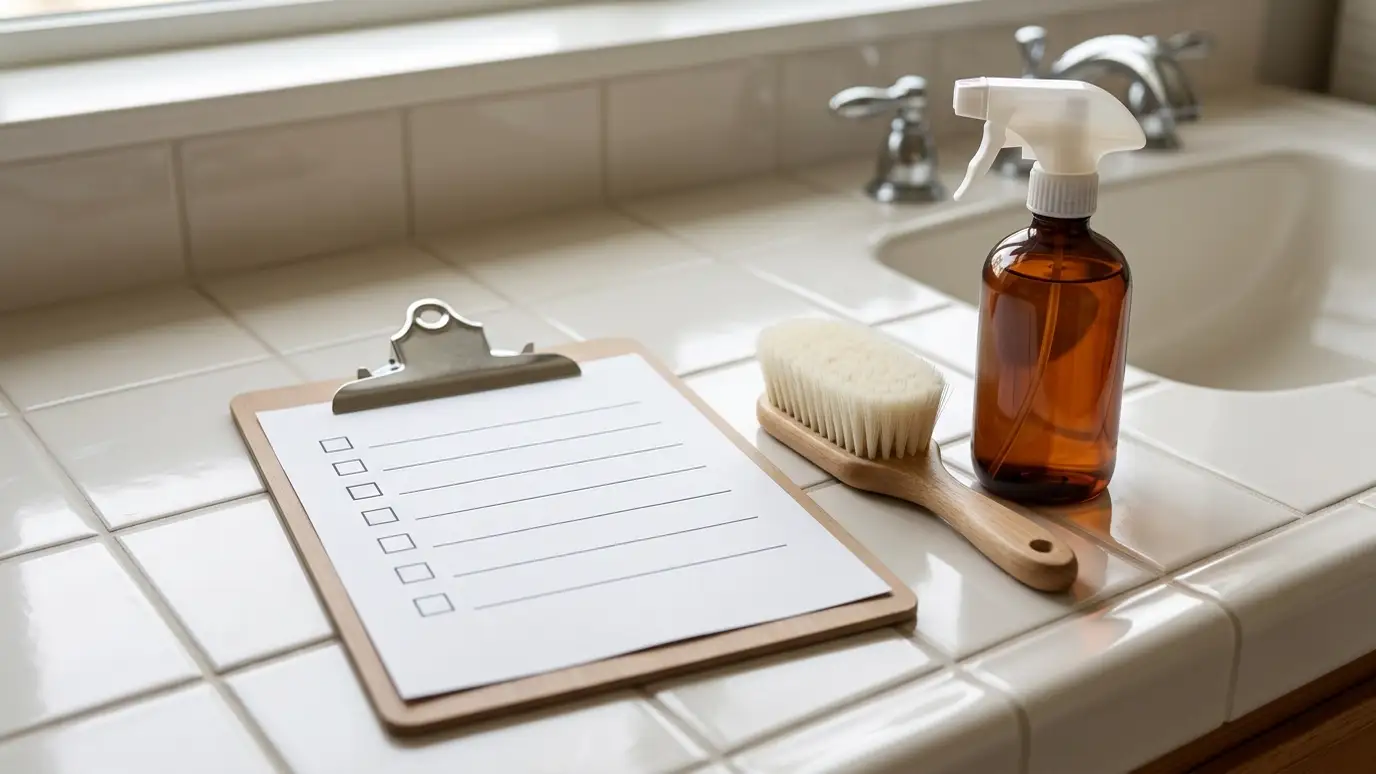
Seal cement grout, clean with neutral products, dry wet areas, manage hard water and fix small cracks early. A yearly check helps.
A maintenance plan can take care of this for you.
Choose the right grout for the room, install it well and keep it sealed and clean.