Why caulk fails
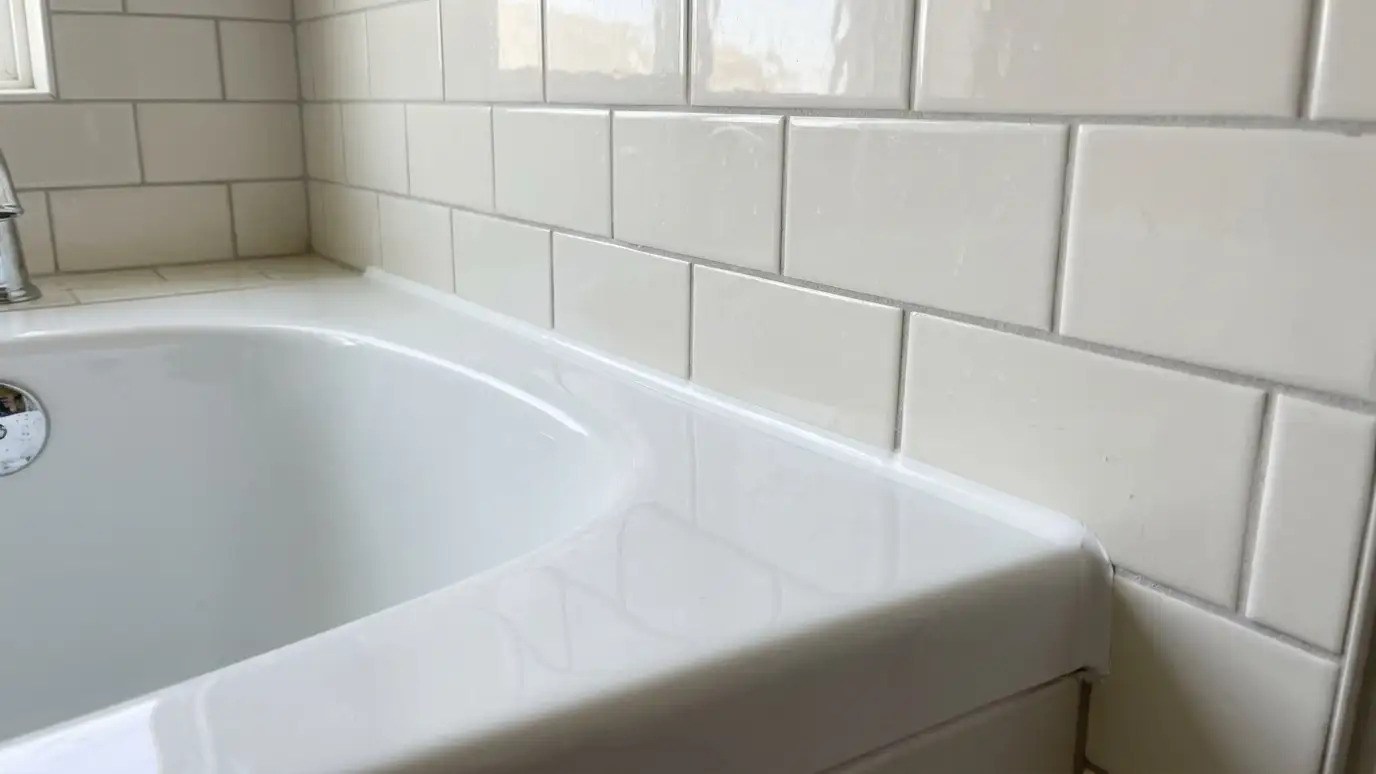
Caulk stays flexible only for a time. Sunlight, cleaners, movement and constant dampness cause it to shrink, crack, peel and grow mildew. A tub also shifts a little every time it fills.
Failure is normal. Neglect is what causes damage.
Signs it is time
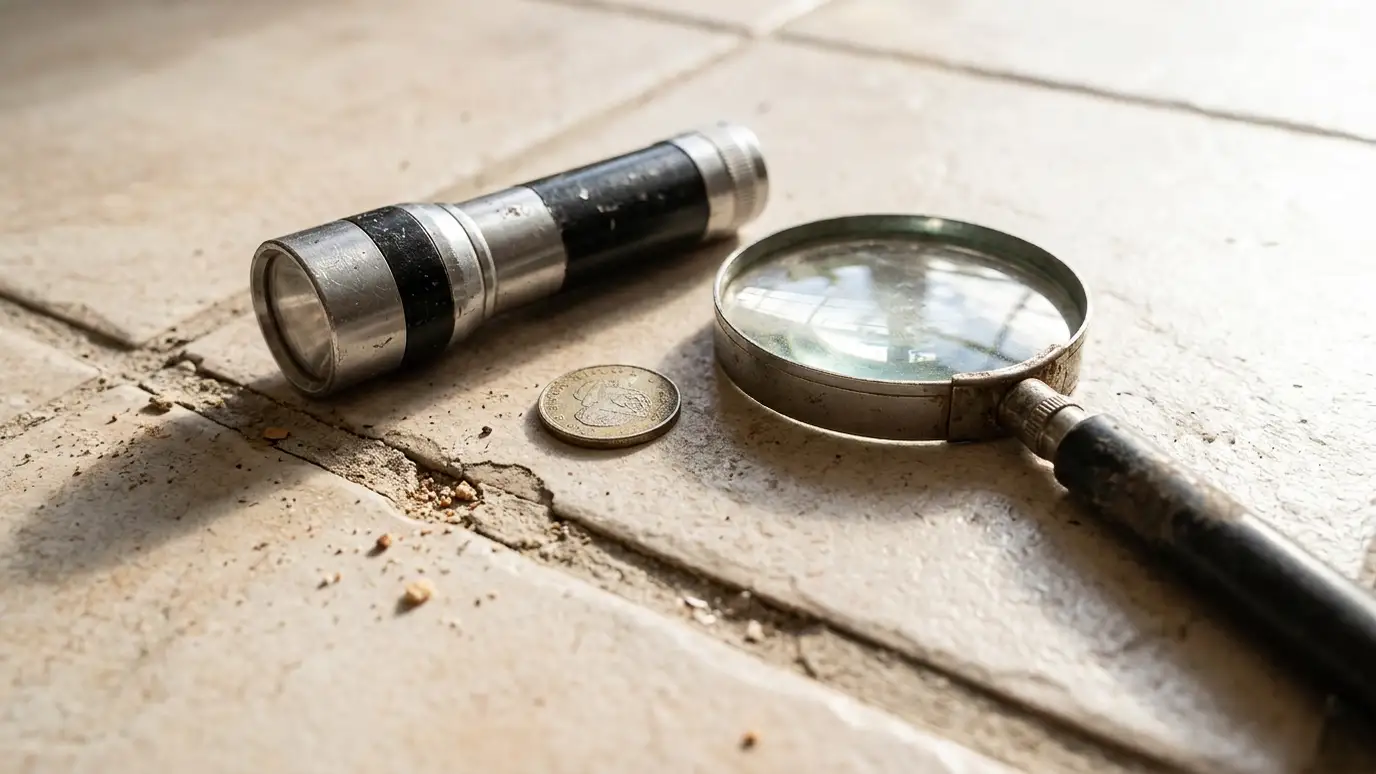
Look for gaps, peeling edges, black spots that will not clean, a musty smell or soft or discolored caulk. Press a finger along it. If it feels loose or crumbles, replace it.
Water on the floor after a shower is a clear warning.
Choose the product
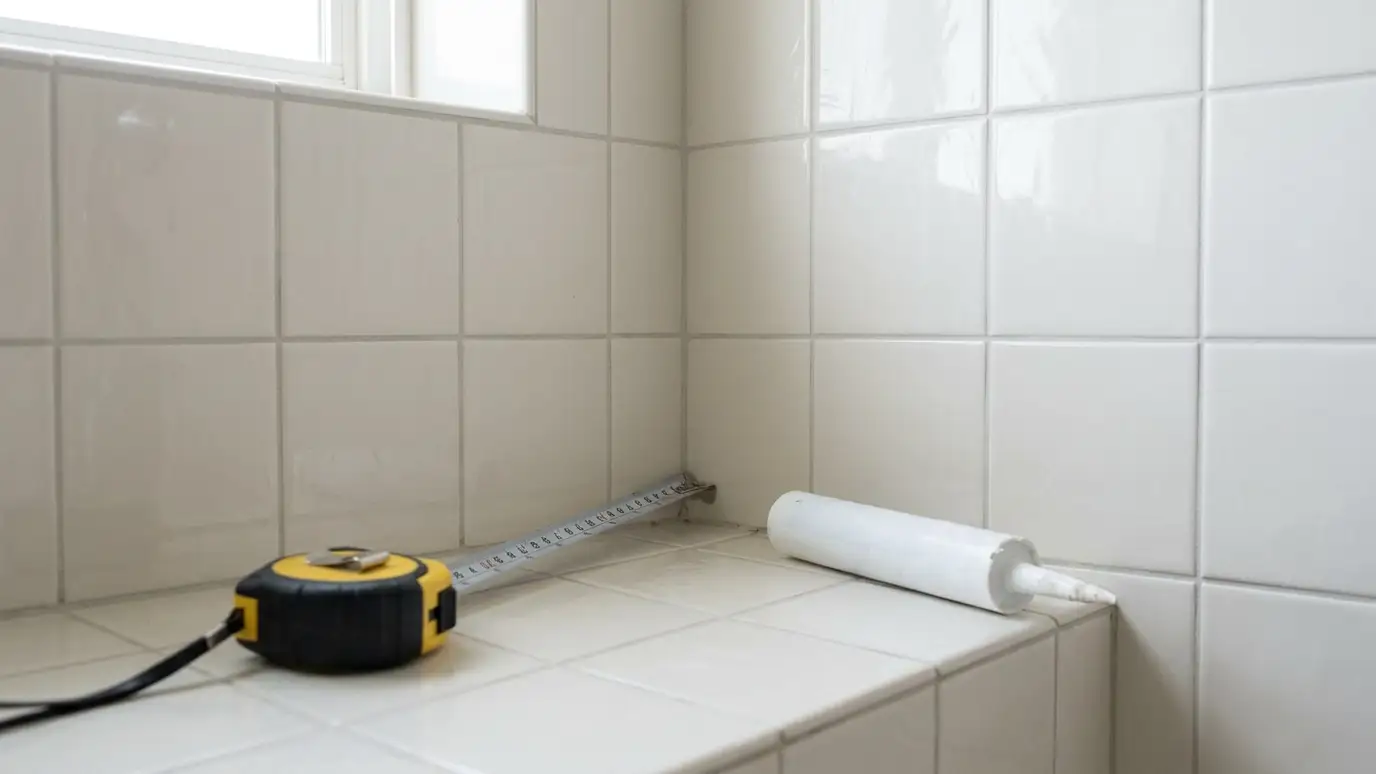
Silicone is the best choice for wet areas because it stays flexible and resists mildew. Acrylic is paintable and easier to clean up, but it wears sooner.
Match the product to the location.
Remove the old
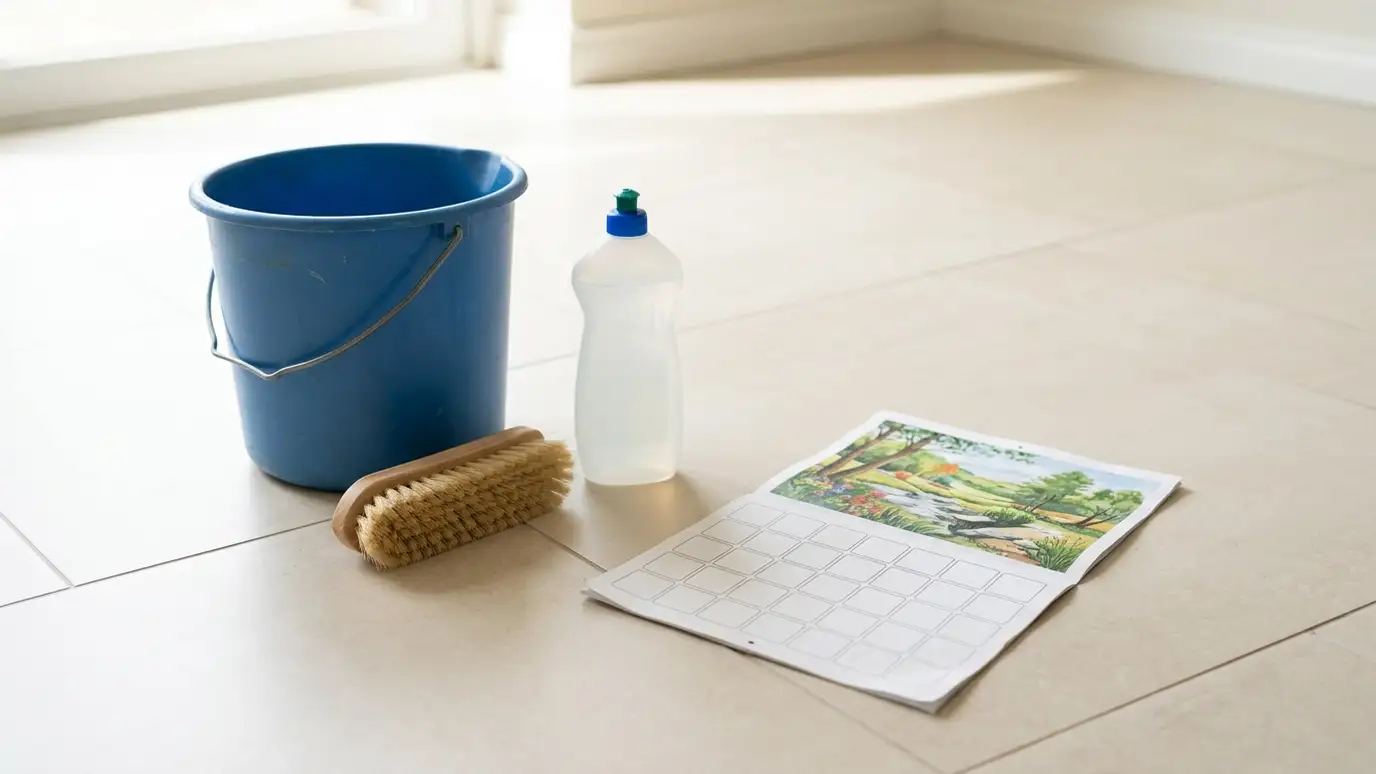
Cut out all old caulk and scrape off residue. New caulk will not stick to old. Clean the joint with a suitable cleaner and let it dry completely.
Tape the edges for a clean line.
Apply it right
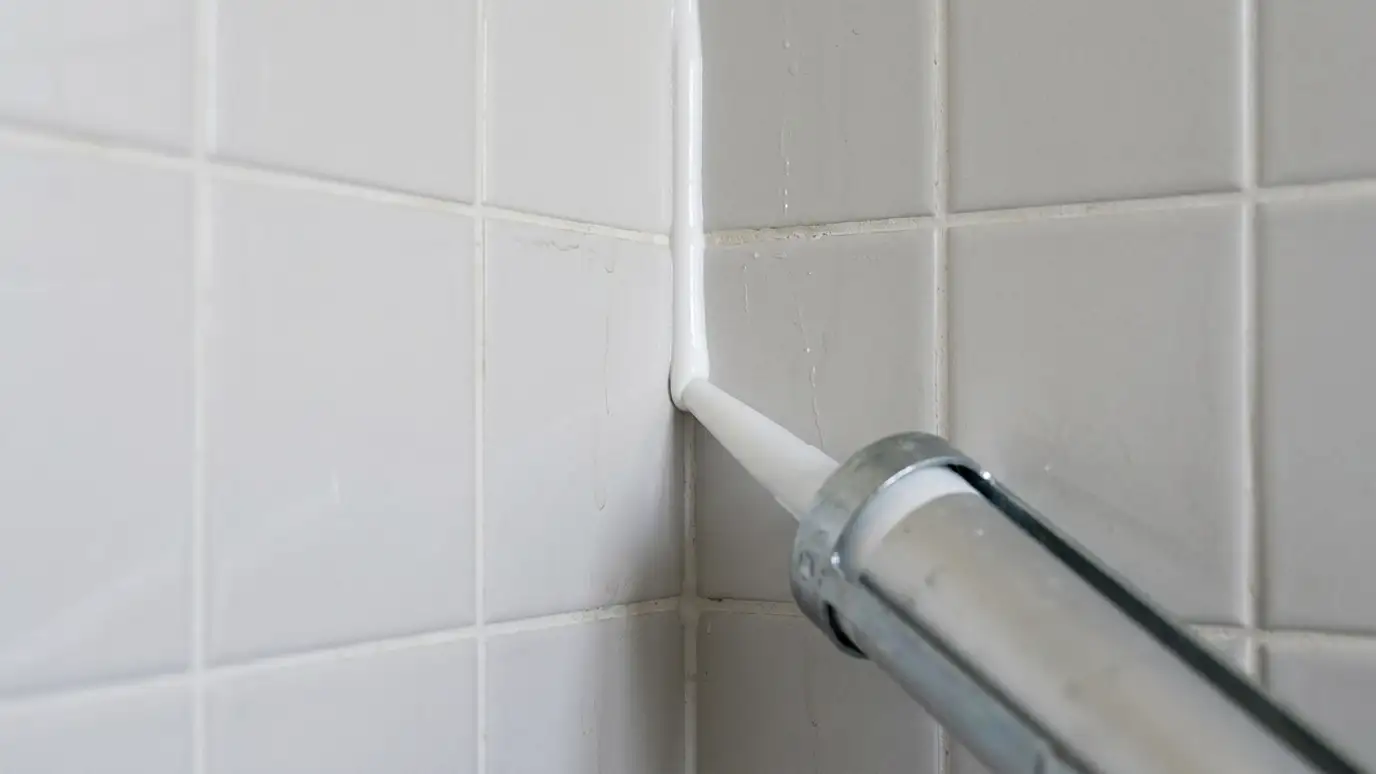
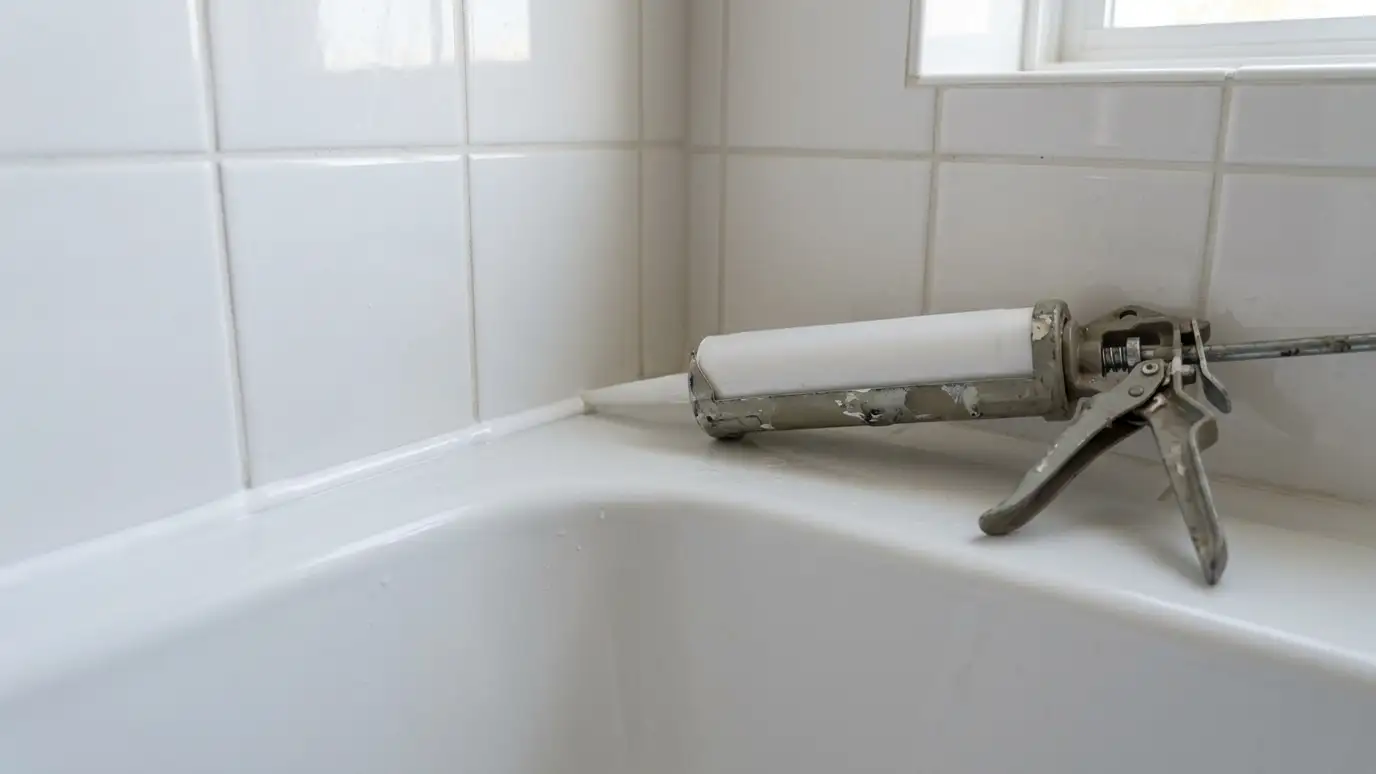
Apply a steady bead, tool it smooth and remove tape right away. For a tub, filling it with water before caulking can help the joint stay flexible when the tub is full.
Follow the cure time before using the shower.
Keep it lasting
Squeegee walls, ventilate the room and clean with gentle products. Check caulk each year and renew early.
A few minutes now can save a wall.
Remove all the old caulk, use silicone in wet areas and let it cure fully.