Cracks and gaps
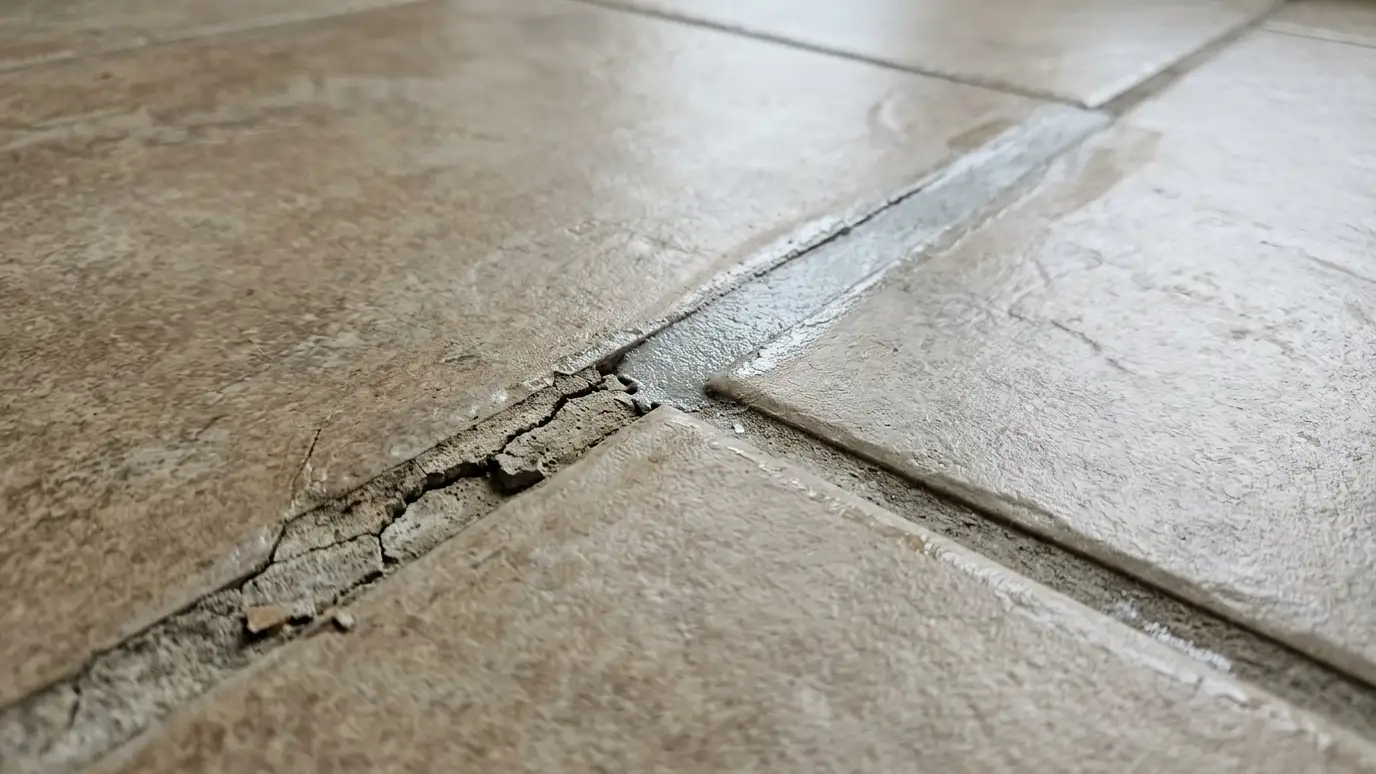
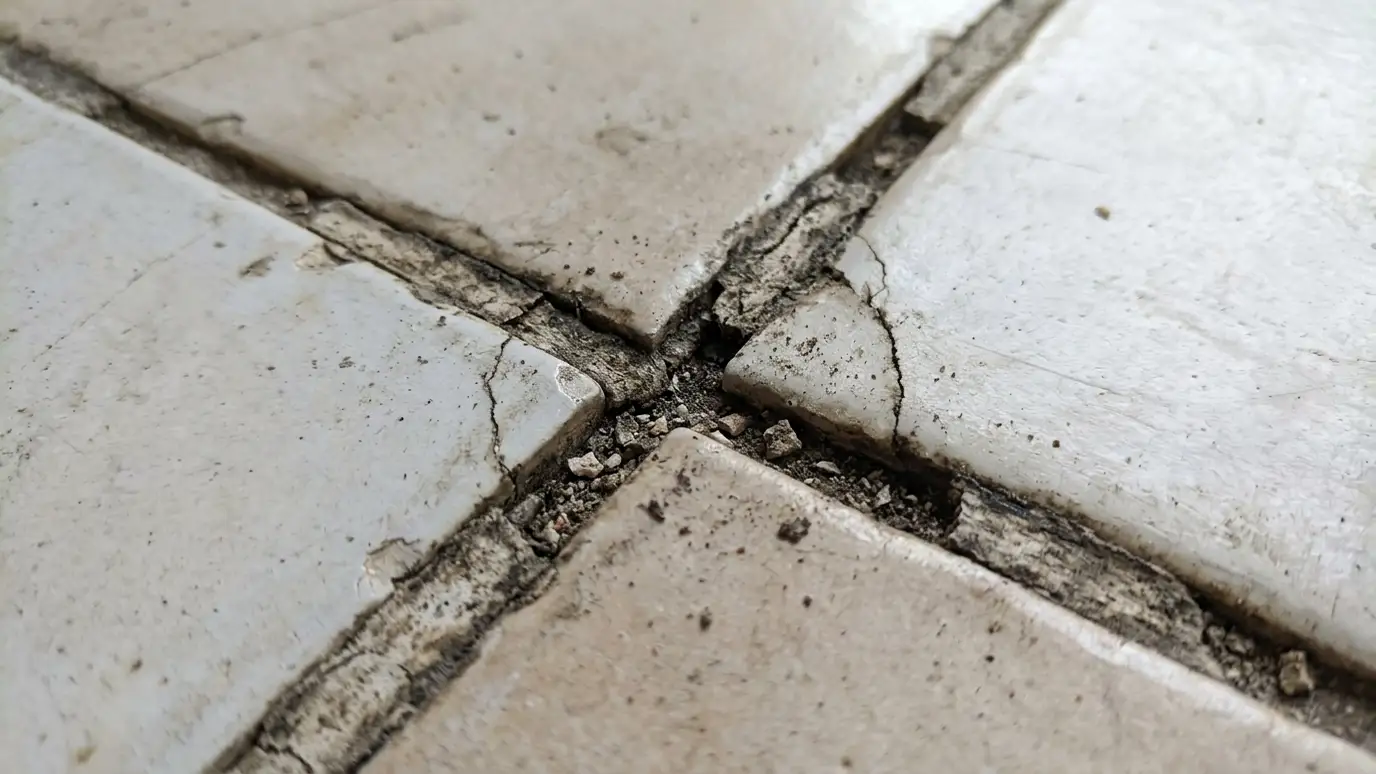
Hairline cracks may only be cosmetic, but wide gaps and cracks that follow tile edges let water get under tile. Cracks in corners point to movement and need flexible caulk.
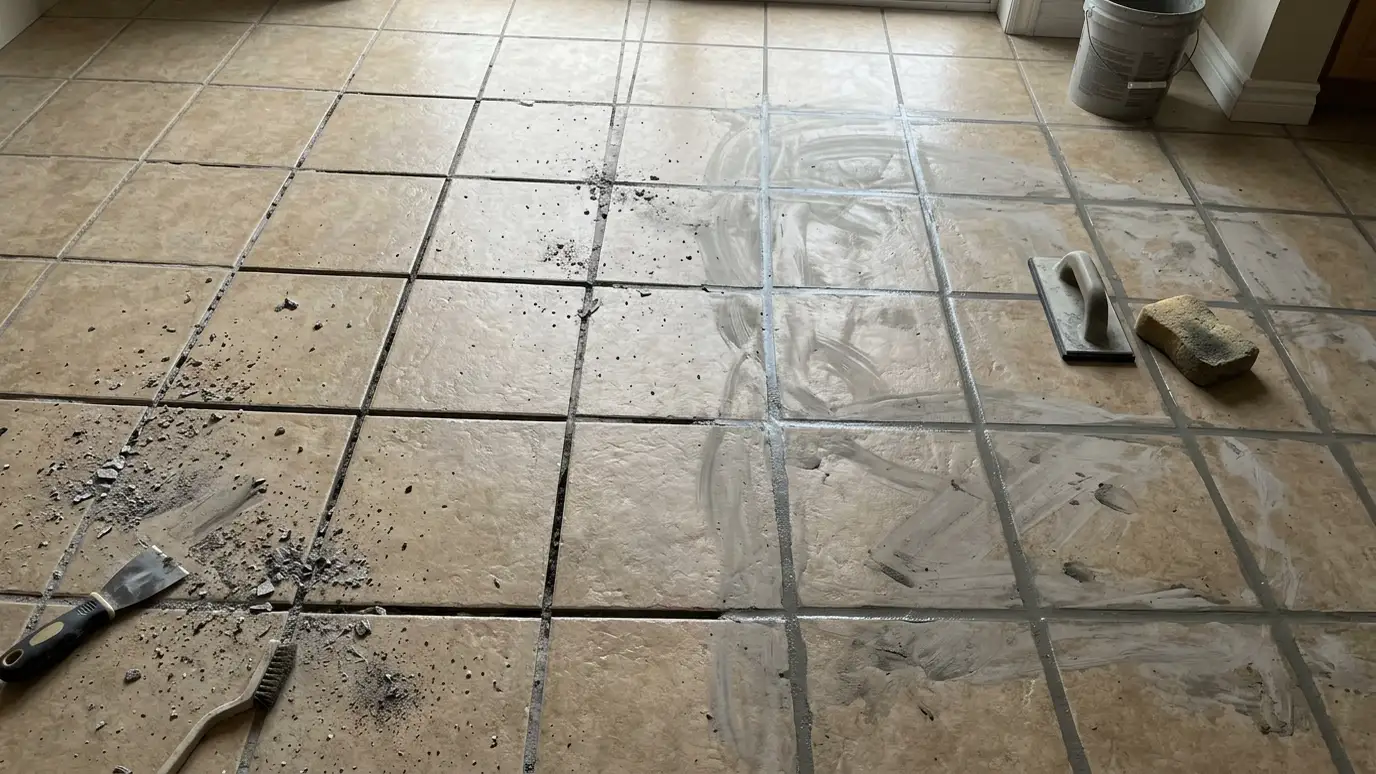
Cracks in many places suggest the grout is ready to replace.
Crumbling and powdery grout
Grout that turns to powder when you rub it has weakened, often from poor mixing, age or too much cleaning with acid. It will not protect the tile beneath.
Scratch a hidden line with a screwdriver. If it flakes or sinks, it is soft.
Stains that will not clean
Gray, brown or black lines that return after cleaning have soaked into the grout. Deep cleaning may help, and recoloring can hide the rest.
Stains that come back quickly point to porous or failing grout.
Mildew and odor
Black spots that return, pink film and a musty smell mean moisture is hanging on in the grout and caulk. Cleaning, sealing and ventilation help, and badly affected caulk should be replaced.
If mildew keeps returning, look for a leak.
Loose or hollow tile
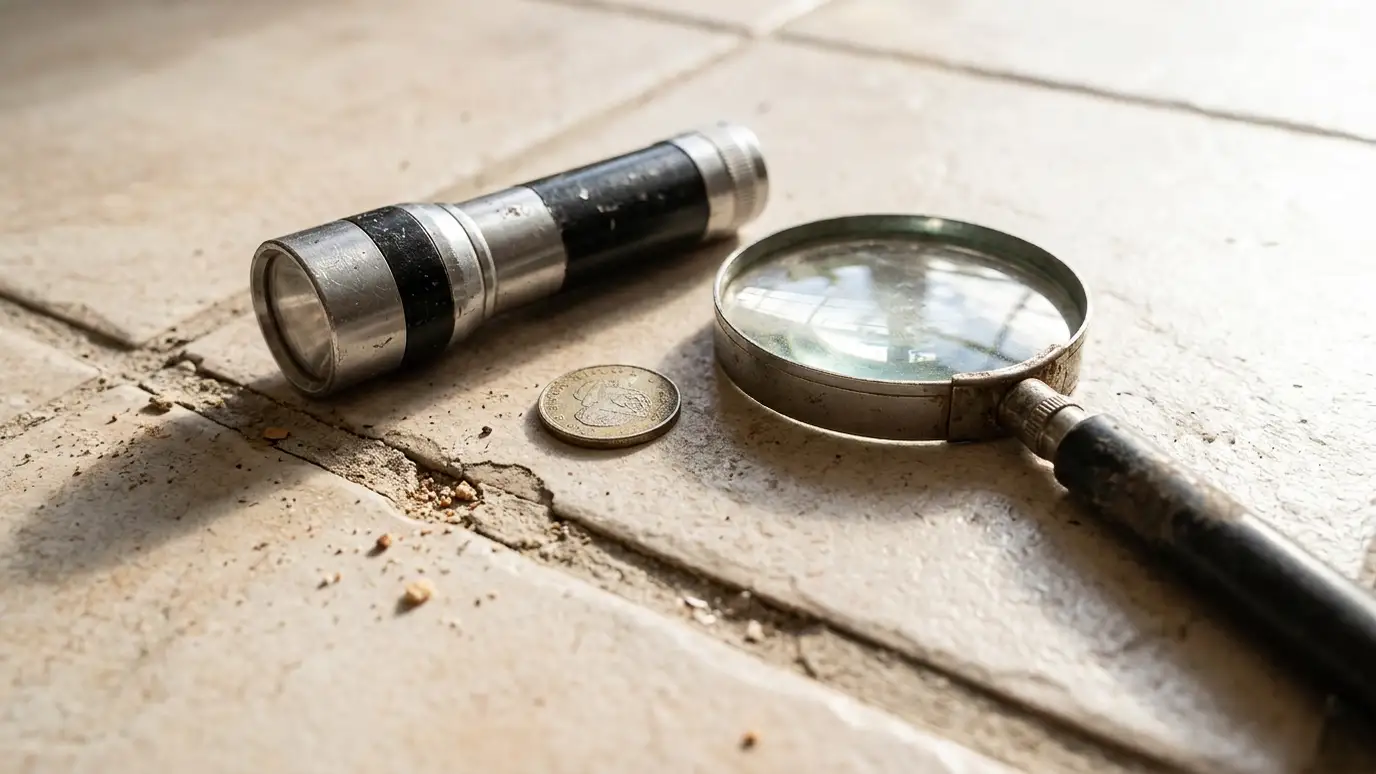
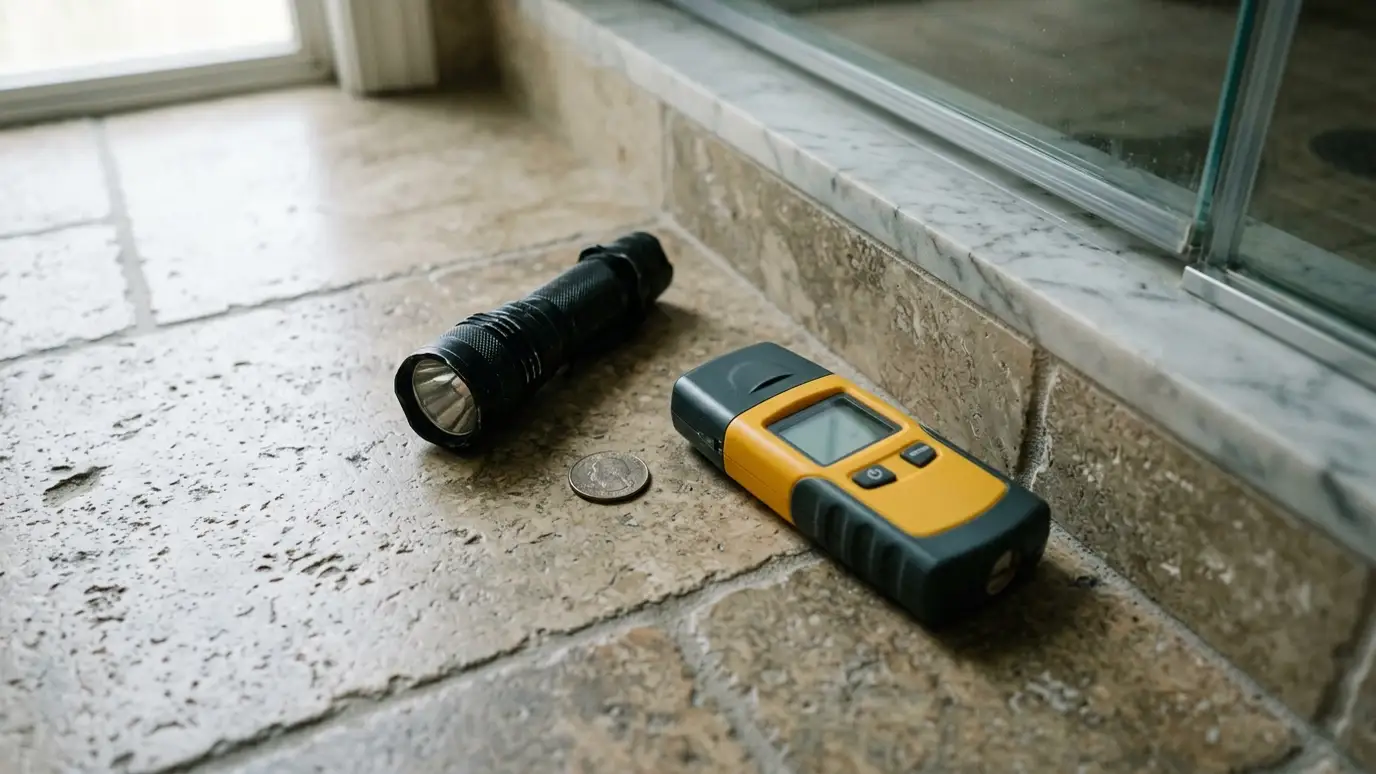
Tap tiles with a coin. A hollow sound means the tile is no longer fully attached. Loose tiles crack and let water in.
A few loose tiles may be isolated. Many suggest a bigger problem.
Water below
Stains on a ceiling under a bathroom, a soft spot near a shower or musty smells in a wall cavity can all mean water is getting past failed grout or caulk.
Do not wait. Moisture damage grows quickly.
One small crack can often be repaired, but several signs at once usually mean it is time to plan a bigger fix.